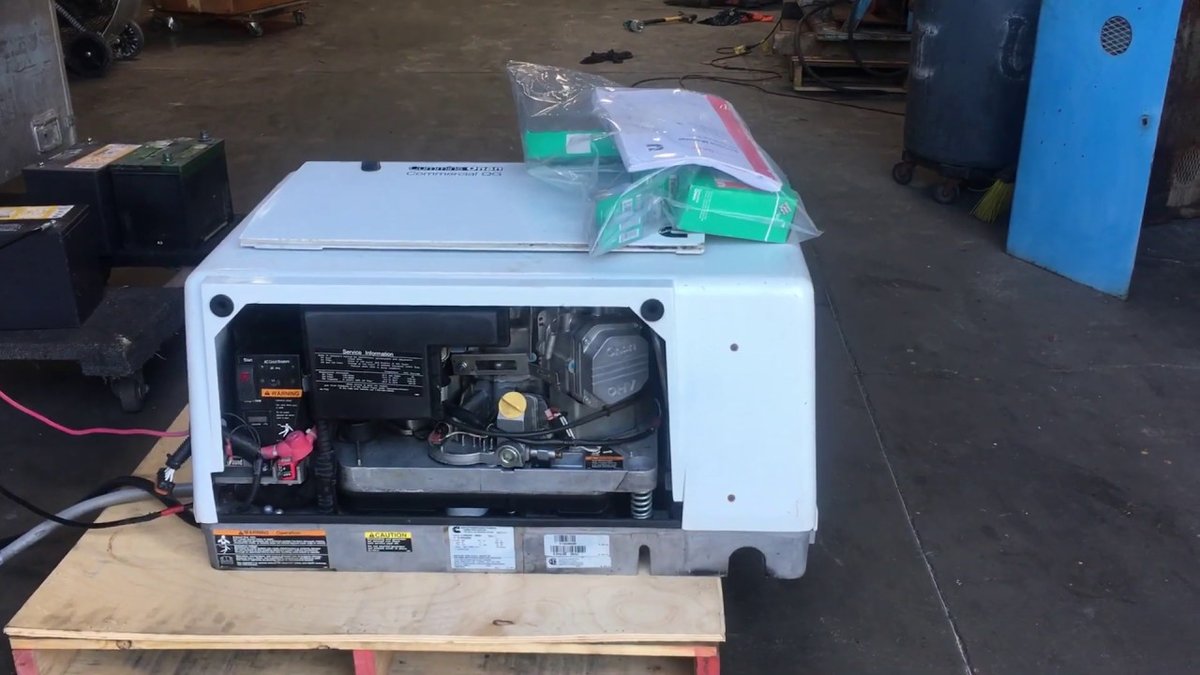
The hum of a generator isn't just noise; it's the heartbeat of an RV disconnected from shore power. For decades, that heartbeat has largely belonged to one name: Onan. When you think of a reliable, built-in RV power source, Onan generators are practically synonymous with the concept. But the RV landscape is changing, and while Onan remains a formidable contender, a new generation of power solutions and flexible alternatives are vying for the attention of modern RVers. This guide dives deep into comparing Onan RV generators to alternatives, giving you the insider perspective on what’s best for your adventures.
At a Glance: Powering Your RV Journey
- Onan Generators: The Gold Standard – Dominant market share (over 85%), known for unmatched reliability, seamless RV integration, and robust dealer support. They’re the "set it and forget it" choice for many motorhomes and large towables.
- The Price Tag & Pitfalls – Onans come at a premium, are noisier than portable inverters, require on-site RV maintenance, and can suffer from carburetor issues if not used regularly.
- Portable Inverter Generators: The Flexible Upstarts – Brands like Honda, Predator, and Champion offer quieter, more affordable, and lighter options. Ideal for towables, part-time boondockers, or as a flexible backup.
- Solar & Lithium Systems: The Silent Revolution – Panels, lithium batteries, and inverters provide clean, silent power for lighter loads. Fantastic for lights and electronics, but typically need generator backup for high-demand appliances like air conditioning or extended cloudy periods.
- The Hybrid Approach – Often, the best solution combines elements: solar for everyday silent power, and a generator (Onan or portable) for heavy loads or cloudy days.
The Reign of Onan: Understanding the Industry Standard
For many seasoned RVers, the name Onan evokes a sense of steadfast reliability. Since their acquisition by Cummins Inc. in 1986, these generators, now branded Cummins Onan, have held a commanding position, accounting for over 85% of the built-in RV generator market. They didn't achieve this dominance by accident.
Onan generators are the factory-installed powerhouses, hardwired directly into your RV's fuel system and electrical panel. This means a simple push of a button from inside your coach can bring your lights, appliances, and even your air conditioning to life, wherever you are. They are, in essence, the "plug-and-play" solution for integrated RV power. To learn about Onan RV generators in more detail, their legacy is truly impressive.
Why Onan Became the Go-To for RV Power
- Unrivaled Dependability: Onan's reputation is built on consistency. These units are engineered for long lifespans with proper maintenance, offering reliable cold starts and robust performance even in demanding conditions. They are designed to be part of your RV, ready when you are.
- Seamless Integration: Picture this: no lugging heavy equipment, no fueling external tanks, no running extension cords. Onan units are built directly into a dedicated compartment, often with a remote start switch inside the RV. This integration also aids in better sound dampening (compared to portable units placed outside) and efficient battery charging capabilities.
- Robust Fuel Options & Sizes: Whether your RV runs on gasoline, diesel, or liquid propane, Onan likely has a generator to match. Their lineup spans from compact 2,800-watt inverter models perfect for smaller motorhomes (like the QG 2800i) to powerful 12,500-watt diesel units (QD 12500) capable of running multiple A/C units and demanding appliances simultaneously.
- Strong Support Network: With decades in the business and widespread adoption, Onan boasts an extensive dealer network and readily available parts. This means peace of mind, knowing that if you ever need service or a repair, help is usually within reach.
- Modern Enhancements for Better Living: While their core reliability remains, Onan hasn't stood still. Newer models often feature electronic ignition, improved sound insulation, and Permanent Magnet Alternators (PMA). PMA technology allows the engine to run at slower speeds under lighter loads, significantly reducing noise, vibration, and fuel consumption, making boondocking more pleasant. Many Onan and Kohler RV generators typically operate as 4-pole units at 1800 RPM for stable power.
The Realities of Onan Ownership: Weighing the Downsides
While Onan generators are workhorses, they're not without their specific considerations and drawbacks, especially as alternatives become more sophisticated.
The Premium Price Tag
Let's not sugarcoat it: Onan generators are an investment. New units, ranging from 2500 to 5500 watts, can cost anywhere from $3,100 to $4,600, with larger, top-tier diesel models easily exceeding $10,000. This adds significantly to the overall cost of an RV, often baked into the factory price. While the value is there for many, it's a significant barrier for budget-conscious RVers.
Noise Levels: A Constant Hum
Despite advancements in soundproofing and quieter models, an Onan generator, especially under heavy load, still produces noticeable noise. This isn't just a comfort issue; it's a practical one. Most campgrounds enforce "quiet hours," typically from 8 or 10 PM to 7 or 8 AM, during which generator use is prohibited. If you rely solely on your Onan, you'll be without AC or microwave use during these times, which can be a real pain during hot summer nights or early mornings.
Maintenance & Longevity Considerations
- On-Site Servicing: Unlike a portable unit you can take to a shop, your Onan generator is fixed inside your RV. This means service technicians have to come to you, or you have to bring your entire RV in, which can be less convenient and potentially more expensive.
- The Carburetor Conundrum: Many gasoline Onan units (and generators in general) are notorious for carburetor issues, particularly when not used regularly. Fuel can gum up and varnish the intake valves, leading to rough running or failure to start. Prevention requires diligence: using fuel stabilizers, draining fuel before long-term storage, or opting for propane models that inherently avoid these problems.
- Oil Consumption: It's a known characteristic that some Onan engines can consume oil. While not necessarily a "problem" if monitored, low oil shutoffs will prevent the generator from operating when levels are critically low. Regular oil level checks are non-negotiable for consistent operation.
Stepping Beyond Onan: Exploring the Alternatives
The RV world is diverse, and so are its power needs. For those who find Onan's cost, noise, or integrated nature less appealing, modern alternatives offer compelling options.
1. The Flexible Powerhouse: Portable Inverter Generators
Portable generators have evolved dramatically, moving beyond loud, inefficient construction site generators to sophisticated, quiet, and fuel-efficient inverter models. Brands like Honda, Predator, and Champion have become household names among RVers seeking power flexibility.
Advantages of Portable Inverter Generators:
- Quieter Operation: This is often the biggest selling point. Inverter technology allows the engine to vary its speed based on the load, meaning it doesn't have to run at full throttle all the time. This results in significantly quieter operation than traditional open-frame generators, and often quieter than some built-in Onans, especially newer inverter models.
- More Affordable: A top-tier portable inverter generator (e.g., a Honda EU2200i) costs a fraction of a new Onan, typically ranging from $500 to $1,500 for popular models. This makes power access far more attainable.
- Lighter & More Compact: As the name suggests, they are designed to be moved. This makes them ideal for towable RVs (travel trailers, fifth wheels) where a built-in generator isn't standard, or for motorhome owners who prefer to run their generator further from their sleeping quarters.
- Easier Maintenance & Replacement: If a portable unit needs servicing, you can simply take it to a small engine repair shop or replace it entirely without disrupting your RV.
- Fuel Flexibility: Some portable units offer dual-fuel capabilities (gasoline and propane), giving you more options depending on availability and storage preferences.
- Parallel Capability: Many popular models can be linked together (paralleled) to combine their power output, allowing you to run higher-demand appliances like air conditioners when needed, then revert to a single, smaller, more fuel-efficient unit for lighter loads.
Disadvantages of Portable Generators:
- Not Built-in: This is their inherent trade-off. You have to manually set them up, fuel them, start them, and run extension cords to your RV. This is less convenient than a push-button integrated system.
- Security Risk: Because they are portable, they are also prone to theft if not properly secured, especially in remote boondocking locations or overnight.
- Exhaust & Overheating Concerns: Portable generators are not designed to run in enclosed compartments. Doing so without significant, professional modification for ventilation and exhaust can lead to dangerous carbon monoxide buildup, overheating, and fire hazards. Custom exhaust modifications are complex and often not recommended.
- Maintenance Intervals: Many portable units have shorter oil change intervals (e.g., every 100 hours) compared to Onan's longer intervals, reflecting their design for intermittent, rather than constant, use.
- Manual Fueling: You'll be carrying and manually filling fuel tanks, which can be messy and inconvenient compared to a direct tap into your RV's main fuel supply.
2. The Silent Revolution: RV Solar and Lithium Systems
For the ultimate in quiet, clean, and off-grid freedom, RV solar and lithium battery systems have emerged as a game-changer. These systems aim to reduce or even eliminate the need for a noisy, fuel-burning generator for many day-to-day power needs.
Components of a Modern Solar & Lithium Setup:
- Solar Panels: Mounted on the roof, these convert sunlight into DC electricity.
- Lithium Battery Bank (LiFePO4): These batteries are the heart of the system, storing the solar energy. Lithium batteries offer significantly more usable capacity, longer lifespans, lighter weight, and faster charging than traditional lead-acid batteries.
- Inverter/Charger: An inverter converts the DC power from your batteries into usable AC power for your household appliances. A charger charges your batteries from shore power or other sources.
- Solar Charge Controller: Manages the power flow from your solar panels to your battery bank, ensuring efficient and safe charging.
Advantages of Solar & Lithium:
- Absolutely Silent Power: This is the primary appeal. No noise, no fumes, no quiet hours to worry about. You can run lights, charge devices, watch TV, and even run smaller appliances in blissful silence.
- Clean, Renewable Energy: Harnessing the sun means reducing your carbon footprint and reliance on fossil fuels.
- Off-Grid Freedom: With a properly sized system, you can boondock for extended periods without needing to find shore power or constantly refuel a generator.
- Reduced Generator Run Time: Even if you keep a generator, solar significantly cuts down on how often you need to run it, saving fuel and reducing wear and tear.
Limitations of Solar & Lithium Systems:
- High Upfront Cost: A robust solar and lithium system can be significantly more expensive than even a top-tier Onan generator, easily ranging from $5,000 to well over $20,000 depending on complexity and capacity.
- Weather Dependency: Solar panels rely on sunlight. On cloudy, rainy, or heavily shaded days, your charging capability can be severely diminished. This is where a generator backup becomes crucial.
- Limited High-Demand Appliance Power: While systems are constantly improving, most typical RV solar setups struggle to continuously power high-draw appliances like air conditioners, electric water heaters, or microwaves for extended periods without quickly depleting batteries. Running A/C for hours requires a very large (and expensive) battery bank and solar array.
- Installation Complexity: Installing a comprehensive solar and lithium system is often a complex task best left to professionals, adding to the overall cost.
3. The Hybrid Approach: The Best of Both Worlds
For many modern RVers, the "best" power solution isn't one or the other, but a combination. This hybrid approach leverages the strengths of different systems to create a truly resilient and adaptable power setup.
- Solar for Silent Daily Use: Use your solar and lithium system for everyday needs: lights, fans, charging phones and laptops, running the RV fridge on electricity, and watching TV. This keeps your campsite quiet and minimizes fuel consumption.
- Generator for Heavy Loads or Emergencies: When you need to run the air conditioner on a scorching day, blast the microwave, or recharge your batteries during a prolonged period of cloudy weather, fire up your generator (either your built-in Onan or a portable unit).
This strategy maximizes efficiency, minimizes noise, and provides redundancy, ensuring you always have power when and how you need it.
Making the Right Choice: What to Consider for Your RV
Deciding on the best RV power solution involves a careful assessment of your specific RV, lifestyle, and budget. Here's a framework to guide your decision:
Your RV Type & Travel Style
- Motorhomes (Class A, B, C): These typically come with a built-in Onan generator from the factory, or have dedicated compartments designed for them. Replacing an Onan with a portable unit in a motorhome would involve complex modifications for power input and exhaust, making it less common. If you have a motorhome, the choice is often between using the built-in Onan or supplementing it with solar.
- Towable RVs (Travel Trailers, Fifth Wheels): These rarely come with built-in generators. Portable inverter generators are a natural fit, offering flexibility to store them away or position them for minimal noise. Solar systems are also increasingly popular as a primary power source for towables.
- Full-Time RVers vs. Weekend Warriors: Full-timers spending extensive time boondocking will likely need a robust, multi-faceted power system (e.g., large solar with generator backup). Weekend campers might find a smaller portable generator or basic solar sufficient.
Your Power Needs: What Appliances Will You Run?
- Low Demand (100-500 watts): Lights, fans, phone chargers, laptops, TV, small appliances. Solar and a moderate battery bank can handle this easily.
- Medium Demand (500-1500 watts): Microwave (briefly), coffee maker, hair dryer. A medium-sized portable inverter generator or a larger solar/lithium system can manage these.
- High Demand (1500+ watts): Air conditioner (especially multiple units), electric water heater, large microwave for extended cooking. This typically requires a robust generator (Onan 4000+ watts or paralleled portables) or a very substantial, expensive solar/lithium system.
Budget: Upfront vs. Long-Term Costs
- Onan: High initial cost, built into RV price, good resale value (if factory installed).
- Portable: Lowest initial cost, but requires fuel purchases, and may need eventual replacement.
- Solar/Lithium: Highest initial investment, but low ongoing fuel costs and long lifespan (10+ years for lithium batteries).
Noise Tolerance & Campground Regulations
- If you prioritize absolute silence and want to avoid campground quiet hours, a solar system is paramount, potentially backed by the quietest portable inverter generator you can find.
- If you're mostly in campgrounds with hookups and only need occasional generator use, the noise might be less of a concern.
Fuel Type Preference
- Gasoline: Widely available, but prone to carburetor issues if stored.
- Diesel: More fuel-efficient, often shares fuel with diesel pusher motorhomes, but can be louder.
- Propane: Cleaner burning, longer storage life (no varnish), but less energy dense (you'll use more of it) and may be harder to find in some areas.
Maintenance Commitment
- Are you comfortable with regular DIY maintenance (oil changes, spark plugs) on a portable unit?
- Do you prefer the "set it and forget it" nature of a built-in Onan, trusting the dealer network for service?
Common Questions & Misconceptions About RV Power
"Can I simply replace my built-in Onan with a portable generator?"
While technically possible, it's not a straightforward "swap." A built-in generator is hardwired into your RV's fuel system, electrical panel, and exhaust. To replace it with a portable unit, you would need:
- A way to run a manual fuel line to the portable unit (or use external tanks).
- An external power inlet box on your RV to plug the portable unit into (or directly wire it, which is complex and not recommended for portables).
- A dedicated, ventilated compartment for the portable unit with a custom exhaust system routed outside. This is a significant engineering challenge and often not safe without professional design, as portable units are not designed for enclosed operation due due to heat and carbon monoxide.
For these reasons, it's generally far easier and safer to use a portable generator as an alternative to an Onan, rather than a direct built-in replacement.
"Are the 'quiet' Onan models really that quiet?"
Newer Cummins Onan QG (Quiet Gas) and QD (Quiet Diesel) models, especially those with Permanent Magnet Alternators (PMA), are significantly quieter than older generations. They've made strides in sound dampening and vibration reduction. However, "quiet" is relative. They are still louder than a good portable inverter generator running at a low load, and definitely louder than a solar system. They produce a noticeable hum, especially under heavy load, which you'll need to consider for campsite etiquette and personal comfort.
"How much solar do I need to completely replace my generator?"
This is a common question with a complex answer. To completely replace a generator, especially for high-draw appliances like air conditioning, you would need:
- A very large solar array: Often 1000+ watts on your roof, which may not even fit or be practical for many RVs.
- A massive lithium battery bank: Multiple 200Ah+ lithium batteries (e.g., 600-800Ah or more) to store enough energy to run A/C for a few hours, especially overnight or on cloudy days.
- A high-capacity inverter: Capable of handling the surge and continuous draw of your A/C unit.
Such a system can cost upwards of $20,000 and still might not offer unlimited A/C use. For most RVers, solar excels at silent daily power, but a generator remains a practical backup for heavy loads or extended bad weather.
The Future of RV Power: Trends and Innovations
The quest for efficient, reliable, and sustainable RV power continues to drive innovation. We're seeing:
- More Efficient Generators: Manufacturers are continually refining engine designs, fuel injection systems, and inverter technology to squeeze more power out of less fuel, with even lower noise and emissions.
- Advanced Battery Technology: Lithium iron phosphate (LiFePO4) batteries are rapidly becoming the standard due to their safety, longevity, and performance. We can expect further advancements in energy density and cost reduction.
- Smarter Energy Management Systems: Integrated systems that intelligently blend power from solar, generator, and shore power are becoming more common, optimizing charging and discharge based on demand and availability.
- Portable Power Stations: While not a full generator replacement, large portable power stations with built-in inverters and substantial battery banks (e.g., from Goal Zero, Jackery) are offering another layer of silent, portable power for charging devices and running small appliances.
Beyond the Spark: Crafting Your Comprehensive Power Plan
Ultimately, the best power solution for your RV isn't about declaring a single victor in the battle of Onan vs. Alternatives. It's about designing a comprehensive strategy that aligns with your RVing style, budget, and power demands.
For some, the integrated reliability of a factory-installed Cummins Onan remains the ideal "set it and forget it" solution. For others, the flexibility and affordability of a portable inverter generator, perhaps paired with a basic solar setup, offers the perfect blend of freedom and function. And for the growing number of adventurers prioritizing silent, sustainable travel, a robust solar and lithium system—often with a generator as a crucial backup—is the clear path forward.
Before you embark on your next adventure, take stock of your power needs, weigh the pros and cons of each option, and consider a hybrid approach. A well-thought-out power plan will ensure your RV experience is comfortable, convenient, and powered for anything the open road throws your way.