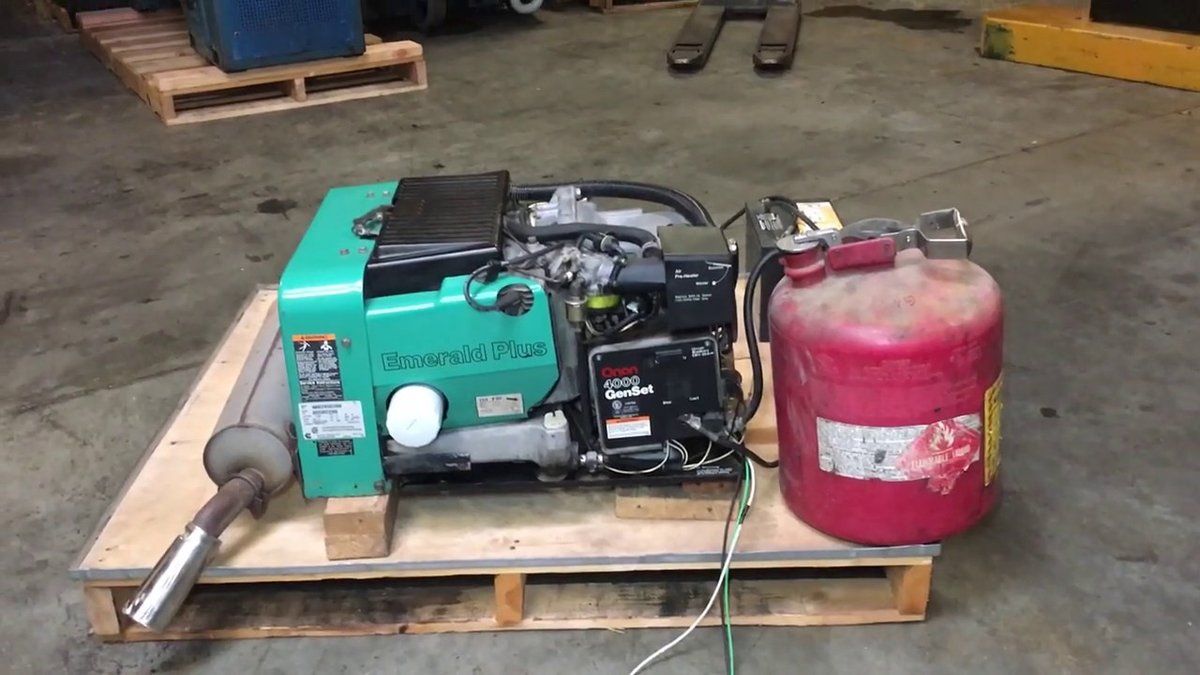
For decades, the name Onan has been synonymous with reliable, built-in power for RVs. From cross-country adventures to quiet boondocking spots, the hum of an Onan RV generator has been a familiar soundtrack for countless travelers. But in today's rapidly evolving RV landscape, with advanced solar setups, potent lithium batteries, and a host of portable generator alternatives, many RVers are asking a crucial question: are Onan RV generators still worth the investment?
This flagship guide will explore the enduring legacy of Onan, dive into its distinct advantages and honest drawbacks, and help you understand how it stacks up against modern power solutions. We'll connect you to dedicated guides that cover everything from choosing the right model to keeping it running flawlessly, ensuring you make the most informed decision for your power needs.
Onan's Enduring Legacy: A Century of RV Power
Onan's journey began in the 1920s with David W. Onan, who first pioneered ignition systems and battery chargers before introducing his first small gasoline-powered generator in 1926. This foundational innovation set the stage for a company that would eventually become the undisputed leader in RV power. After Cummins Inc. acquired Onan in 1986, the brand, now known as Cummins Onan, solidified its position, capturing over 85% of the built-in RV generator market.
Today's Cummins Onan lineup features a wide range of generators – gasoline, diesel, and liquid propane – from the compact QG 2800i to the robust QD 12500, designed to meet diverse power demands. While they've recently ventured into outsourced portable units, it's their built-in models that have truly defined RV power systems for generations, making them a default choice in many RVs right off the factory floor. If you're considering which model best suits your RV and lifestyle, you'll want to Choose your Onan RV generator with confidence.
Why Onan Still Reigns: Unmatched Dependability and Integration
The widespread adoption of Onan isn't just about market share; it's rooted in tangible benefits that consistently appeal to RVers seeking hassle-free power.
- Rock-Solid Dependability: Onan generators are legendary for their longevity, often outlasting the RV they're installed in, provided they receive proper care. This robustness translates to peace of mind, especially when you're far from civilization.
- Effortless Convenience: With built-in units, power is literally a flick of a switch away. Newer models have significantly improved in quietness and fuel efficiency compared to their predecessors, making them less intrusive to your camping experience.
- Seamless Integration: Hardwired directly into your RV's fuel system and electrical grid, an Onan generator offers unparalleled convenience. It can recharge your house batteries, power all your appliances, and integrate with your RV's control panel, all from a remote switch inside.
- Advanced Technology: Modern Onan generators often incorporate electronic ignition and Permanent Magnet Alternators (PMA), contributing to quieter operation, reduced vibrations, and optimized fuel consumption.
- Extensive Support Network: Thanks to their market dominance, Cummins Onan boasts a vast dealer network and readily available parts, making service and maintenance relatively straightforward, wherever your travels take you.
Navigating the Challenges: The Realities of Onan Ownership
While Onan offers significant advantages, it's important to consider the trade-offs before committing. These generators come with their own set of considerations that might steer some RVers towards alternative power solutions.
- Fixed Noise Location: Unlike portable generators that can be moved away from your campsite or sleeping area, built-in Onan units produce noise directly underneath or adjacent to your RV. While newer models are quieter, they still necessitate adherence to campground quiet hours.
- Initial Cost and RV Value: Onan generators represent a substantial investment, ranging from around $3,100 to $4,600 for typical 2500-5500 watt units, with larger models exceeding $10,000. This cost is often factored into the overall price of an RV.
- Maintenance Sensitivity: Onan generators, especially gasoline models, are prone to issues if left unused for extended periods. Carburetor problems and intake valve varnishing are common culprits, often requiring attention. It’s critical to use fuel stabilizers, drain fuel before storage, or opt for propane units to mitigate these issues. Many units also consume oil and feature low oil shutoff, so regular monitoring is essential. If you encounter unexpected behavior, learning to Fix common Onan generator issues Troubleshoot can save you time and money.
Beyond the Engine: Installation, Maintenance, and Upgrades
Owning an Onan generator goes beyond just flipping a switch. Proper care and understanding of its systems are crucial for maximizing its lifespan and performance. Regular maintenance, such as oil changes, filter replacements, and spark plug checks, prevents many common problems. For detailed guides and schedules, be sure to consult our resource on Onan RV Generator Maintenance &.
Considering an upgrade or perhaps adding new capabilities to your RV's power system? From remote start kits to advanced diagnostic tools, there are many ways to enhance your generator's functionality. Furthermore, having access to the right components is key for both routine servicing and unexpected repairs. You can easily Explore Onan generator parts Find Onan for your specific model, ensuring you always have what you need to keep your unit running. For those looking to integrate a new unit or improve an existing setup, exploring Onan RV Generator Installation & options can unlock greater power possibilities.
The Power Alternatives: Weighing Onan Against Modern Solutions
The RV power landscape has diversified significantly, offering compelling alternatives to the traditional built-in Onan.
- Portable Generators: Brands like Predator, Honda, and Champion offer inverter generators that are often quieter, more affordable, and lighter than built-in units. Their portability allows you to move them away from your living space, reducing noise for you and your neighbors. Many come with convenient features like remote start and Bluetooth connectivity. These are particularly well-suited for towable RVs or part-time boondockers who don't need constant, high-power output.
- RV Solar and Lithium Systems: For those prioritizing quiet, clean energy, a robust solar and lithium battery system is an excellent choice for powering lights, fans, and electronics. However, most solar/lithium setups struggle to fully replace a generator for high-demand appliances like air conditioners, especially during extended cloudy or rainy periods. For full-time RVers or those who frequently boondock, a backup power source—whether an Onan generator, a portable unit, or alternator charging—remains a highly recommended component of a comprehensive power plan.
Is an Onan RV Generator Right for Your Adventures?
Ultimately, the decision to invest in or rely on an Onan RV generator depends on your specific RVing style, budget, and power needs.
- Choose Onan if: You prioritize plug-and-play dependability, appreciate seamless integration with your RV, require consistent power for high-demand appliances (like multiple AC units), and value a strong service and parts network. It's often the ideal choice for larger motorhomes and full-time RVers who need reliable, always-on power.
- Consider Alternatives if: You're budget-conscious, primarily use your RV part-time, have a robust solar-lithium system already covering most of your needs, or if noise levels are a paramount concern and you prefer the flexibility of moving your power source.
Making a well-considered power plan is crucial for enjoying your RV adventures to the fullest. Understanding the unique strengths and weaknesses of Onan generators, alongside the benefits of modern alternatives, empowers you to tailor a power strategy that perfectly fits your journey.