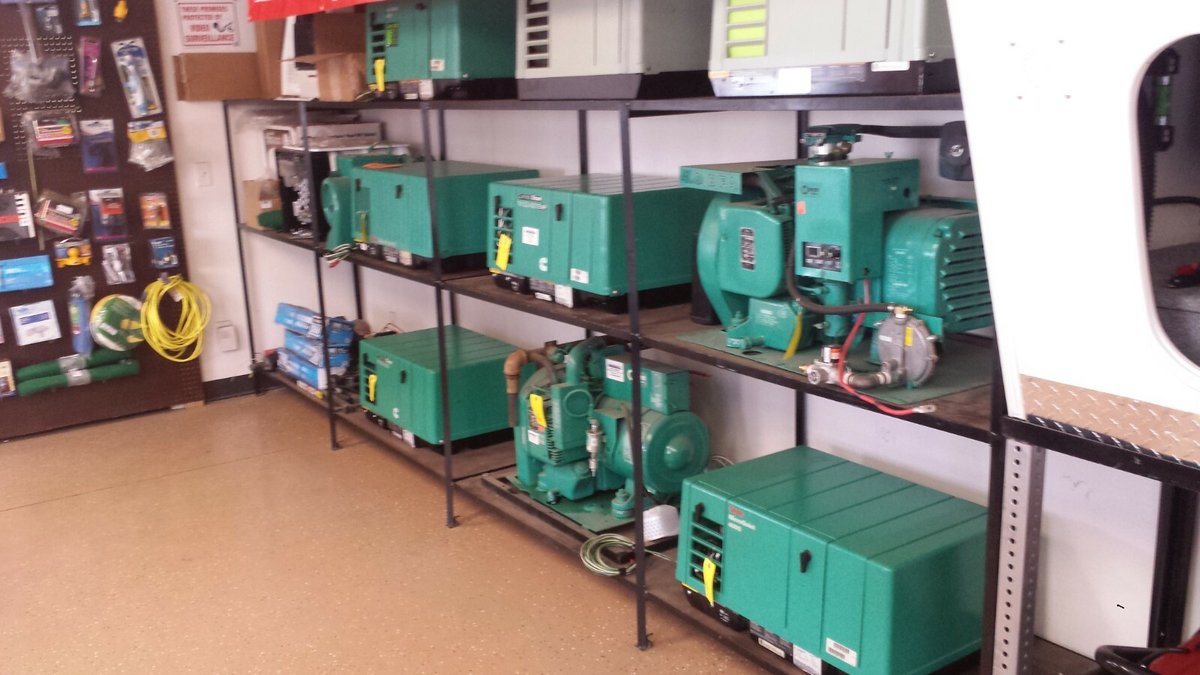
Ready to escape the grid and embrace true RV freedom? For many seasoned adventurers, that vision comes powered by an Onan generator. These workhorses are synonymous with reliable, integrated power for motorhomes and fifth wheels, offering the ability to run everything from your air conditioner to your coffee maker, no matter how far off the beaten path you roam.
But choosing the right one can feel like navigating a maze of kilowatts, fuel types, and technical specs. That's why this guide cuts through the noise. We’re here to simplify the journey, providing clear, actionable Onan RV Generator Buying Guides that help you select the perfect generator for your rig and your lifestyle. Think of us as your expert co-pilot, guiding you to confident decision-making.
At a Glance: Why Onan RV Generators Matter
- Seamless, Integrated Power: Factory-installed and hardwired directly into your RV, offering push-button convenience.
- Unmatched Reliability: Built for long-term use with strong cold-start capabilities (when maintained) and robust dealer support.
- Fuel Flexibility: Available in gasoline, liquid propane (LP), and diesel models to match your RV's existing fuel source.
- Essential for Boondocking: Your ticket to extended stays away from hookups, powering ACs and high-draw appliances.
- Long-Term Value: An investment that contributes to higher RV resale value and provides peace of mind on the road.
The Onan Legacy: Powering Adventures Since the 1920s
The name "Onan" evokes a sense of enduring quality and robust engineering among RVers, and for good reason. The company's story began in the 1920s with David W. Onan, an innovator who developed his first small gasoline generator in 1926. This pioneering spirit quickly established Onan as a leader in power generation.
Fast forward to 1986, and Cummins Inc., a global power giant, acquired Onan Corporation. This merger created Cummins Onan, cementing its status as the industry standard for built-in RV power. Today, Cummins Onan generators are known for their factory integration, making them a seamless, hardwired, and fuel-fed component of countless motorhomes and larger fifth-wheel trailers. When you press that generator start button from inside your RV, you're tapping into nearly a century of specialized power expertise.
What Makes an Onan Generator Stand Out? (And What Doesn't)
Choosing a generator for your RV isn't just about raw power; it's about integrating that power into your mobile lifestyle. Onan generators come with a unique set of advantages, but like any significant investment, they also present specific considerations.
The Unrivaled Benefits of an Onan
Onan's reputation isn't accidental. These units offer distinct benefits that make them the go-to choice for many RV manufacturers and owners:
Seamless Factory Integration
Imagine having power on demand, without hauling around a separate unit or managing external fuel tanks. That's the Onan promise. These generators are designed to be an intrinsic part of your RV, hardwired into your electrical system and drawing fuel directly from your RV's main tank (or dedicated LP tanks). This means:
- Push-Button Convenience: Start and stop your generator from inside your RV, often with a simple switch or even a remote.
- Fuel Efficiency: They share fuel with your RV, eliminating the need for separate fuel cans (gasoline and diesel models).
- Security: Permanently installed, they're less susceptible to theft than portable units.
Dependability You Can Trust
Few things are more frustrating than being in the middle of nowhere with a power outage. Onan generators are engineered for reliability, offering:
- Robust Cold Starts: Known for firing up consistently, even in cooler temperatures, provided they're properly maintained.
- Long Maintenance Intervals: Designed for extended use between routine service, reducing downtime and hassle.
- Strong Dealer and Parts Support: Cummins Onan has an extensive network of authorized service centers and readily available parts, making maintenance and repairs much simpler than with some lesser-known brands.
Advanced Features for Modern RVs
Today's Onan generators aren't just brute force; they're smart power plants. Newer models often incorporate technology for a more refined experience:
- Permanent Magnet Alternators (PMA): This innovation leads to quieter operation, fewer vibrations, and often lower fuel consumption, enhancing your boondocking peace.
- Electronic Ignition: Provides more consistent starting and smoother running.
- Quick Battery Recharging: Efficiently tops off your RV's house batteries, keeping your 12V systems robust.
Fuel Flexibility to Match Your Rig
Onan offers generators that run on gasoline, diesel, or liquid propane (LP), ensuring compatibility with virtually any RV type. This choice is crucial and often dictated by your RV's primary fuel source, which we’ll dive into later in our buying guide.
Understanding the Trade-offs: What to Consider
While Onan generators are exceptional, they aren't without their drawbacks. Understanding these helps set realistic expectations and informs your buying decision.
The Cost Factor
Onan generators represent a significant investment. Prices for 2500-5500 watt gasoline or LP units typically range from $3,100 to $4,600, while larger, top-of-the-line diesel models can easily exceed $10,000. This cost often contributes substantially to the overall price of a new RV. Beyond the initial purchase, repairs, if needed, can also be pricier due to specialized parts and labor.
Noise Considerations
Despite advancements like the "QG" (Quiet Gasoline) and "QD" (Quiet Diesel) series, Onan generators still produce noise. While they are designed to be quieter than many portable units of similar output, they are built into your RV. This means you can't move them further away from your campsite to mitigate sound, which can be a factor in noise-sensitive campgrounds or boondocking locations.
The "Use It or Lose It" Principle
One of the most common issues with any generator, especially those running on gasoline, is related to periods of inactivity. If left unused for extended periods, fuel can degrade, leading to carburetor problems and other performance issues. This isn't unique to Onan but is a critical maintenance point. Solutions include:
- Fuel Stabilizers: Adding a quality stabilizer can prevent fuel degradation during storage.
- Draining Fuel: For very long storage, draining the fuel tank and carburetor is the safest bet for gasoline units.
- Propane Advantage: Propane-powered units largely sidestep these fuel degradation issues as LP doesn't break down like gasoline.
Other potential issues include burning oil (requiring diligent monitoring) and low oil shutoff, a safety feature that prevents engine damage but can be inconvenient if not anticipated. Regular oil level checks are non-negotiable.
Onan or Alternative? Sizing Up Your RV Power Options
Before diving deep into specific Onan models, it's worth considering the broader landscape of RV power. An Onan generator isn't the only solution, and understanding the alternatives can help you confirm if it's the right fit for your unique RVing style. For a more foundational perspective, consider Understanding Onan RV generators and how they fit into the broader RV power ecosystem.
Portable Generators: Flexibility on a Budget
For many RVers, especially those with towable trailers (travel trailers, pop-ups) or those who boondock only occasionally, portable generators offer a compelling alternative.
- Pros:
- Lower Cost: Generally much cheaper than built-in Onan units.
- Quieter Operation: Many modern inverter generators from brands like Honda, Predator, and Champion are remarkably quiet and can be moved away from your campsite to further reduce noise.
- Flexibility: Can be used for other purposes (home backup, job sites) when not RVing.
- Easier Replacement: If a portable unit breaks, it's often simpler and cheaper to replace than a built-in one.
- Features: Many now include remote start, fuel efficiency modes, and even Bluetooth monitoring.
- Cons:
- Less Convenient: Requires manual setup, fueling, and securing at each stop.
- Theft Risk: Easily stolen if not properly secured.
- Fuel Storage: Requires carrying separate fuel tanks, which can be bulky and hazardous.
- Not Integrated: Doesn't automatically power your RV's outlets; requires plugging into shore power inlet.
When a Portable Shines: If you primarily stay at campgrounds with hookups and only need occasional power for short boondocking trips, or if you have a smaller towable RV, a portable inverter generator might be a more practical and economical choice.
Solar & Lithium Systems: The Silent Revolution
The rise of advanced RV solar panels paired with high-capacity lithium batteries has revolutionized silent power generation.
- Pros:
- Silent Power: Absolutely no noise, making them ideal for quiet campgrounds or environmentally sensitive areas.
- Clean Energy: Harnesses the sun, reducing your carbon footprint.
- Reliable for DC Loads: Excellent for powering lights, fans, water pumps, and charging electronics.
- Cons:
- High Upfront Cost: Lithium batteries and substantial solar arrays can be very expensive.
- Weather Dependent: Performance drops significantly on cloudy or rainy days.
- Limited AC Power: Most solar/lithium setups, while improving, still struggle to run multiple large air conditioners or other high-wattage appliances for extended periods without generator assistance.
- No Quick Battery Charge: While they charge batteries, they can't "bulk charge" a depleted bank as quickly as a generator.
The Hybrid Approach: For many serious boondockers or full-time RVers, the ideal solution is often a hybrid system: robust solar and lithium for daily silent power, complemented by an Onan generator for running air conditioners, charging batteries quickly on cloudy days, or providing backup power for extended periods. A generator remains vital for consistent, high-demand power needs, making it a critical part of a comprehensive power plan for any RVer. Always having a backup power source is a smart move, regardless of your primary setup.
Your Personal "Onan RV Generator Buying Guides": Choosing the Perfect Powerhouse
Alright, you've weighed the pros and cons, considered the alternatives, and decided an Onan is the right power solution for your RV. Now comes the critical part: selecting the specific Onan model. This isn't a one-size-fits-all decision; it requires a thoughtful assessment of your RV, your appliances, and your travel habits.
Step 1: Calculate Your True Power Needs (No Guesswork Here)
This is the most crucial step. Underestimate your needs, and you'll be frustrated by tripped breakers. Overestimate too much, and you'll overspend and carry unnecessary weight.
- List All Your Appliances: Go through your RV and list every appliance you might want to run simultaneously. Think about your heaviest hitters:
- Air Conditioner(s)
- Microwave
- Electric water heater (if applicable)
- Coffee Maker / Toaster
- Hair Dryer
- Refrigerator (electric mode)
- TV/Entertainment systems
- Laptop chargers, phone chargers
- Lights, fans
- Find Wattage Ratings: Most appliances have a wattage rating listed on a label, in the owner's manual, or online.
- Distinguish Starting Watts vs. Running Watts: This is critical! Appliances with electric motors (like air conditioners, microwaves, and refrigerators) require a surge of power—their starting watts—that can be 2-3 times higher than their running watts. Your generator must be able to handle these peak starting loads.
- Example: A 15,000 BTU RV AC might run at 1,800 watts but spike to 3,000-3,500 starting watts for a few seconds.
- Calculate Total Simultaneous Wattage: Add up the running watts of all the appliances you anticipate using at the same time. Then, add the highest starting watts of any single appliance that would typically kick on during that time (usually the AC).
- Mini-Case: You want to run your 15,000 BTU AC (3500W starting / 1800W running), microwave (1200W), and TV (100W) simultaneously.
- Running Total: 1800W (AC) + 1200W (Microwave) + 100W (TV) = 3100 Running Watts
- Highest Starting Wattage: 3500W (AC)
- Your generator needs to safely handle at least ~3500-3600 watts.
- Add a Buffer: Always overestimate slightly – aim for 10-20% more capacity than your calculated peak. This provides a safety margin for unexpected appliances or a slight drop in generator efficiency.
Rule of Thumb:
- Small RV (1 AC, basic appliances): 2.5 kW to 3.6 kW (2500W-3600W)
- Medium RV (1 AC, microwave, moderate appliances): 3.6 kW to 4.0 kW (3600W-4000W)
- Larger RV (1 large AC OR 2 smaller ACs, full kitchen): 5.0 kW to 7.0 kW (5000W-7000W)
- Luxury Coach (multiple ACs, residential fridge, high-draw amenities): 8.0 kW to 12.5 kW (8000W-12500W)
Step 2: Pick Your Power's Pal: Gasoline, Propane, or Diesel?
Onan offers generators in three primary fuel types. Your choice will largely depend on your RV's existing fuel system and your priorities.
Gasoline (The Common Choice)
- Pros:
- Readily Available: Gasoline is found at virtually every gas station, making refueling easy.
- Integrated Fuel Supply: Most gasoline RVs draw fuel directly from the main vehicle tank.
- Lower Initial Cost: Gasoline generators are often slightly less expensive than their diesel counterparts.
- Cons:
- Fuel Degradation: Gasoline breaks down over time, especially with ethanol blends, leading to carburetor issues if not used or stabilized regularly.
- Less Fuel Efficient: Generally consumes more fuel per hour than diesel.
- Slightly Louder: Can be marginally louder than LP or diesel equivalents.
- Best For: Most conventional motorhomes and many smaller fifth-wheel trailers where the RV already runs on gasoline.
Liquid Propane (LP) (The Clean Burn)
- Pros:
- Cleaner Burning: Produces fewer emissions and less carbon buildup, extending engine life.
- Longer Shelf Life: Propane doesn't degrade like gasoline, eliminating fuel-related storage issues.
- Quieter Operation: Often slightly quieter than gasoline models.
- Integrated Fuel Supply: Draws from your RV's onboard LP tanks, which also fuel your furnace, water heater, and stove.
- Cons:
- Lower Energy Density: Propane provides less energy per gallon than gasoline or diesel, meaning you'll burn through it faster for the same power output.
- Limited Supply: Your RV's LP tank capacity might be limited, and finding propane refills can sometimes be less convenient than gasoline.
- Slightly Higher Initial Cost: Can be a bit more expensive than gasoline units.
- Best For: RVers who prioritize clean operation, minimal fuel maintenance, and often have smaller power needs, or those with RVs that already have significant LP capacity.
Diesel (The Heavy Hitter)
- Pros:
- Fuel Efficiency & Durability: Diesel engines are renowned for their fuel efficiency, longevity, and robustness, especially under heavy loads.
- Integrated Fuel Supply: Draws fuel from your diesel RV's main tank, eliminating extra fuel cans.
- Common Fuel: Diesel is widely available at truck stops and many gas stations.
- Quieter for High Output: While not silent, larger diesel generators tend to run very smoothly and often quieter than similar high-output gasoline units.
- Cons:
- Higher Initial Cost: Diesel generators are typically the most expensive option upfront.
- More Maintenance: Requires specific diesel engine maintenance, including fuel filters and sometimes DEF (Diesel Exhaust Fluid) depending on the model and year.
- Weight: Diesel units are generally heavier, a consideration for smaller RVs.
- Best For: Larger diesel pusher motorhomes, heavy-duty fifth wheels, and full-time RVers who demand maximum power, efficiency, and durability for extended periods of boondocking or frequent generator use.
Step 3: Match kW Output to Your RV Size and Lifestyle
Once you've calculated your wattage needs (Step 1) and picked your fuel type (Step 2), it's time to zero in on the kilowatt (kW) output. Onan models are usually named or described by their kW output.
- QG 2800i (2.8 kW): Ideal for small pop-ups, truck campers, or compact travel trailers with minimal power needs (e.g., lights, charging, small appliances, maybe a single very small AC). The 'i' denotes inverter technology for cleaner, more stable power.
- QG 3600 / QG 4000 (3.6 kW / 4.0 kW): Common for medium-sized RVs, capable of running a single 13,500 BTU AC unit along with other essential appliances. The 4000 is a very popular all-around choice.
- QG 5500 / QG 7000 (5.5 kW / 7.0 kW): Perfect for larger motorhomes or fifth wheels that might have two ACs (though typically not simultaneously for the 5500), a residential refrigerator, and more substantial electrical demands. A 7000 can often handle two 13,500 BTU ACs running together.
- QD 8000 / QD 10000 / QD 12500 (8.0 kW / 10.0 kW / 12.5 kW): These diesel powerhouses are reserved for large luxury coaches with multiple AC units (often three), electric stoves, residential appliances, and significant continuous power needs.
Consider Future Additions: Even if your current RV setup is modest, think about potential upgrades. Will you add a second AC? A residential fridge? Choosing a slightly larger generator now can save you headaches and expense later.
Step 4: Decoding Onan Model Names (QG, QD, i)
Onan's model nomenclature might seem like alphabet soup, but it's quite simple once you know the key:
- QG: Stands for "Quiet Gasoline." These are Onan's gasoline-powered models, known for relatively quiet operation.
- QD: Stands for "Quiet Diesel." These are the diesel-powered workhorses, optimized for heavy-duty use and durability.
- i: Denotes "inverter technology." Generators with 'i' in their name (e.g., QG 2800i) provide very clean, stable sine wave power, which is ideal for sensitive electronics. They are also typically quieter and more fuel-efficient as they can throttle engine speed based on demand.
Understanding these simple identifiers helps you quickly narrow down your options based on fuel type and desired technology.
Mastering Onan Maintenance: Longevity Through Vigilance
An Onan generator is an investment in freedom, and like any investment, it thrives on proper care. Neglecting maintenance is the fastest way to turn a reliable powerhouse into a frustrating paperweight.
The Owner's Manual: Your First Commandment
This isn't just a suggestion; it's essential. Your Onan owner's manual contains vital information specific to your model:
- Safety Procedures: Critical for preventing accidents like carbon monoxide poisoning or fires.
- Maintenance Schedules: Exact intervals for oil changes, filter replacements, and other checks.
- Troubleshooting Guides: Basic steps to diagnose and often fix common issues.
Treat it as your generator's bible.
The 20-Minute Rule: Why Regular Exercise Matters
As mentioned, gasoline generators can suffer from fuel degradation. The solution? Use it! Run your Onan generator under a moderate load (at least 50% capacity, like running an AC unit) for at least 20-30 minutes, once a month. This practice:
- Circulates Fuel: Prevents stale fuel from gumming up the carburetor.
- Lubricates Seals: Keeps internal components lubricated and prevents them from drying out.
- Charges Battery: Keeps your generator's starting battery topped off.
Fuel Stability is Key: Preventing Carburetor Headaches
For gasoline generators, using a high-quality fuel stabilizer, especially during long periods of storage, is critical. Add it to a full fuel tank, then run the generator for a few minutes to ensure the treated fuel circulates through the carburetor. If you're storing the RV for many months, consider draining the fuel system completely or opting for ethanol-free gasoline if available. Propane and diesel units are largely immune to these specific fuel degradation issues, simplifying their storage prep.
Oil Changes & Filters: The Lifeblood of Your Gen
Regular oil changes are non-negotiable. Dirty oil leads to increased wear and tear. Your manual will specify the type of oil and the frequency (often every 100-150 hours of operation or annually, whichever comes first). Don't forget to replace the oil filter (if applicable) and check the air filter regularly, cleaning or replacing it as needed to ensure optimal performance and fuel efficiency. Also, closely monitor your oil levels between changes; low oil shutoff is a common safety feature that can stop your generator cold.
Seasonal Prep: Storage and Pre-Trip Checks
- Before Storage: Perform recommended maintenance (oil change, fuel stabilizer), ensure the unit is clean, and protect any exposed parts from the elements.
- Before Each Trip: Conduct a quick visual check. Look for loose wires, fuel leaks, exhaust obstructions, and most importantly, check the oil level. A little proactive attention can prevent big problems.
Safety First: Carbon Monoxide and Exhaust Inspections
Generators produce carbon monoxide (CO), a colorless, odorless, and deadly gas.
- Inspect Exhaust Systems: Regularly check the exhaust pipe and muffler for any damage, cracks, or leaks. Ensure all connections are secure.
- Clear Exhaust Path: Always make sure the generator's exhaust has an unrestricted path away from your RV and any neighboring vehicles or tents.
- CO Detector: Never rely solely on visual inspection. Ensure your RV has a functioning carbon monoxide detector and test it regularly. This is non-negotiable for safety.
Addressing Common Onan Questions & Misconceptions
Let's clear up some common queries RVers have about Onan generators.
Are Onan generators really quiet?
"Quiet" is subjective, but Onan generators, especially the QG (Quiet Gasoline) and QD (Quiet Diesel) series, are designed to be significantly quieter than many older or cheaper portable generators. Newer inverter models (like the QG 2800i) are even quieter. However, they are still internal combustion engines and will produce noticeable noise. You won't be having a whispered conversation right next to one while it's running, but they're typically engineered to be within acceptable noise limits for most campgrounds and boondocking scenarios.
Do I need to break in a new Onan generator?
Yes, absolutely. Like any new engine, an Onan generator needs a break-in period. Your owner's manual will detail the exact procedure, but it typically involves running the generator for a specific number of hours (e.g., 20-50 hours) under a varying load (not always full load, not always no load) before performing the first oil change. This allows engine components to seat properly and ensures long-term reliability.
Can I run my AC on a small Onan?
It depends on the size of the AC and the Onan. A QG 2800i (2.8 kW) can often handle a single 9,000 BTU or 11,000 BTU RV air conditioner. A QG 3600 or QG 4000 (3.6 kW / 4.0 kW) can typically run a single 13,500 BTU AC unit, sometimes even a 15,000 BTU AC if nothing else major is running. Always calculate your specific AC's starting and running watts and compare it to the generator's surge and continuous output.
Is it OK to run an Onan overnight?
Yes, with proper safety precautions, it is generally okay to run an Onan generator overnight if needed for comfort (like AC in hot weather) or essential appliance operation. Ensure you have properly functioning carbon monoxide detectors inside your RV, that the generator's exhaust is clear and directed away from your rig and any neighbors, and that your fuel supply is adequate. Be mindful of noise regulations in certain campgrounds or areas.
What does "low oil shutoff" mean?
Low oil shutoff is a vital safety feature on most modern generators, including Onan. If the engine's oil level drops below a safe operating threshold, the generator will automatically shut down to prevent severe engine damage. While it can be an unexpected interruption, it protects your investment. This is why regularly checking your oil level is paramount.
Investing in Freedom: The Value of an Onan Generator
Ultimately, an Onan RV generator isn't just a piece of machinery; it's an enabler of lifestyle. It's the hum of reliable power that lets you chase sunsets in remote locales, enjoy climate control in scorching deserts, or simply brew a fresh pot of coffee far from any outlet. These integrated powerhouses offer dependable performance, increased freedom for boondocking, and undeniably contribute to a higher RV resale value, providing a distinct peace of mind on the road.
While modern portable generators and advanced solar-lithium systems offer compelling alternatives depending on your budget and usage patterns, for many RVers prioritizing consistent, integrated, and robust power, an Onan genset remains the gold standard. By following these Onan RV Generator Buying Guides, understanding your needs, and committing to proper maintenance, you're not just buying a generator – you're investing in boundless adventure. Always remember, a comprehensive power plan, blending generators, solar, and battery technology, is critical for maximizing your RVing experiences. Safe travels, and may your power always be plentiful!