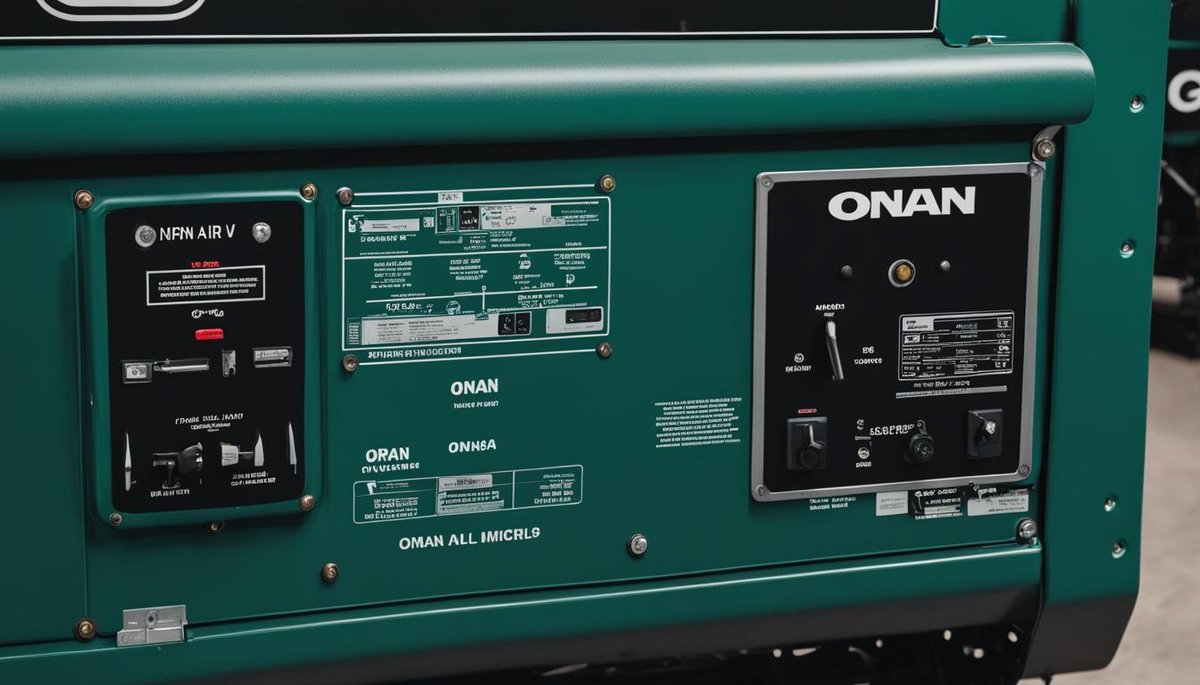
Your RV is your ticket to freedom, a mobile haven offering the comforts of home wherever the road takes you. Central to that independence is your Onan RV generator, reliably humming away to power your air conditioner, microwave, and recharge your batteries. But like any vital piece of equipment, it thrives on regular attention. Neglect your Onan, and you risk not just an inconvenience, but potentially costly repairs down the line. That's why mastering Onan RV Generator Maintenance & Service isn't just a chore; it's an investment in your adventures.
This guide will walk you through everything you need to know to keep your Onan generator purring smoothly, whether you're a seasoned DIYer or prefer to leave the heavy lifting to the pros. We'll demystify the essential tasks, explain service intervals, and give you the confidence to ensure your mobile power plant is always ready when you need it most.
At a Glance: Key Takeaways for Onan Generator Care
- Exercise is Crucial: Run your generator at least once a month for an hour or two under a substantial load to prevent issues from disuse.
- Your Manual is Gold: Always consult your specific Onan owner's manual for precise service intervals and procedures; general guidelines are a starting point.
- Track Everything: Keep a log of hours and maintenance dates to stay on schedule.
- DIY vs. Pro: Many tasks are DIY-friendly, but complex jobs like coolant flushes might be best left to a professional.
- Listen & Watch: Pay attention to unusual noises, smells, or performance changes – they're often early warning signs.
Why Your Onan Deserves Attention: Beyond Just Power
An Onan generator isn't just a convenience; it's a lifeline. It provides power for essentials, keeps you comfortable, and even helps maintain your RV's battery health. However, these hardworking machines are prone to specific issues if ignored. One of the biggest culprits is "lot rot" or "generator disuse syndrome." Just like an engine that sits too long, components can seize, fuel can degrade, and gaskets can dry out.
Regular maintenance ensures maximum efficiency, extends the generator's lifespan, and most importantly, guarantees reliable power when you're off-grid. Think of it as preventative medicine for your RV's heart. A well-maintained generator avoids inconvenient breakdowns and the often hefty cost of emergency repairs, letting you focus on the joy of the journey. To really get a grasp on the different models and their general operation, it's helpful to spend some time understanding Onan RV generators from a broader perspective.
Your Owner's Manual: The Ultimate Onan Guru
Before you even think about grabbing a wrench, grab your Onan generator's owner's manual. Seriously. While we'll provide general guidelines, Onan produces various models (gas, diesel, LP), each with unique specifications, recommended fluids, and service intervals. Your manual is the definitive source for your specific unit. It will detail everything from oil type and capacity to torque specs and diagnostic codes. Treat it as your primary reference guide for all maintenance and troubleshooting.
The Golden Rule of RV Generators: Use It or Lose It (Exercise!)
This is arguably the single most important piece of advice for any RV generator owner. Generators are designed to work, not to sit idle. Running your generator regularly accomplishes several critical things:
- Lubrication: It circulates oil, keeping internal components lubricated and preventing rust or seizing.
- Fuel System Health: It cycles fresh fuel through the carburetor (for gasoline models), preventing fuel varnish buildup and keeping seals pliable.
- Load Testing: Running it under load allows the generator to reach operating temperature, burn off carbon deposits, and keep the stator windings dry, preventing moisture damage.
- Battery Charging: It ensures your house batteries are topped off, reducing reliance on shore power or solar.
How to Exercise Your Onan Generator:
Aim for at least once per month for one to two hours, and crucially, under a substantial load. Don't just let it idle. Flip on your air conditioner, run a high-wattage appliance like a microwave (even if empty for a minute), or charge your batteries. Let it warm up for about 10-15 minutes, apply the load, let it run, then remove the load and let it cool down for 5-10 minutes before shutting it off. This routine is your best defense against unexpected generator failures. If you use your generator regularly (e.g., several hours weekly), this specific exercise ritual isn't necessary.
Keeping Tabs: Your Maintenance Tracker
You wouldn't forget an oil change on your RV's engine, and your generator deserves the same respect. Keeping a detailed log of your generator's hours and maintenance history is invaluable. Note down:
- Date of service
- Generator hours at service
- Tasks performed (oil change, air filter, etc.)
- Parts used (oil type, filter part numbers)
- Any issues observed
Tools like the RV Life Maintenance Tracker or even a simple notebook can make this easy. This record helps you anticipate upcoming service, track parts, and provides a clear history for potential buyers if you sell your RV.
Onan RV Generator Maintenance Schedule: What to Do & When
The following are general recommendations. Always cross-reference with your specific Onan manual. Some tasks are straightforward DIY, while others may require specialized tools or expertise best handled by a certified technician. Knowing when to call in a professional is part of smart ownership.
| Task | General Frequency (Check Manual!) | DIY-Friendly? |
|---|---|---|
| Exercise Generator | Monthly for 1-2 hours under load (if not regularly used) | Yes |
| Oil Change | Annually or every 50-150 hours (whichever comes first) | Yes |
| Air Filter Replacement | Annually or every 500 hours (more often in dusty conditions) | Yes |
| Spark Plug Replacement | Every 450 hours | Yes |
| Spark Arrestor Cleaning | Every season | Yes |
| Fuel Filter Replacement | Annually or as per manual (can vary widely by model) | Moderate |
| Coolant Flush & Replacement | Every 2 years (standard coolant) / Every 4 years (OAT long-life) | No (Pro often) |
Diving Deep: Step-by-Step Onan Maintenance Tasks You Can Do (or Understand)
For many RV owners, performing routine generator maintenance is a satisfying and cost-saving endeavor. Here’s a detailed look at the common tasks. Remember, safety first: ensure the generator is off, cool, and the RV is unplugged from shore power before starting any work.
1. The Lifeblood: Oil & Oil Filter Change
Changing your generator's oil is perhaps the most fundamental maintenance task, directly impacting engine longevity.
Tools & Supplies You'll Need:
- New generator oil (e.g., Cummins 3265336 Onan SAE 15W-40, synthetic recommended for many models, check your manual for the correct weight and type). Many generators hold around 1.6 quarts.
- New oil filter (if applicable to your model, ensure it's OEM or a high-quality equivalent).
- Oil drain pan
- Socket wrench (e.g., 3/8″ drive with a 9/16″ deep socket for the drain plug)
- 1/4″ drive T-30 internal Torx socket (for some access panels)
- No. 5 Pipe Thread sealant (for the drain plug)
- Funnel
- Oil filter wrench (a strap wrench often works best for tight factory filters)
- Nitrile gloves
- Rags
Steps:
- Warm It Up: Run your generator for about 10-15 minutes to warm the oil, which helps it drain more completely. Then, shut it off.
- Access: Locate the oil drain plug. You might need to remove an access panel covering it, often held by T-30 Torx screws.
- Drain: Position your oil drain pan underneath. Use your socket wrench to carefully remove the drain plug. Allow all the old oil to drain completely.
- Seal & Replace Plug: Once drained, clean the drain plug threads. Apply a small amount of No. 5 Pipe Thread sealant to the threads and re-install the drain plug, tightening it to the manufacturer's specified torque.
- Replace Oil Filter (If Applicable): Access the oil filter, often from underneath the generator. Use your oil filter wrench to unscrew the old filter. Prepare for a small amount of oil to spill. Apply a thin film of new oil to the rubber gasket of the new filter before screwing it on hand-tight, then an additional quarter to half turn with the wrench.
- Refill: Locate the oil fill cap. Using your funnel, slowly add the specified amount and type of fresh oil. Refer to your manual for exact capacity (e.g., ~1.6 quarts).
- Check Level: After filling, run the generator briefly (30 seconds to a minute) to circulate the new oil, then shut it off. Wait a few minutes for the oil to settle, then check the oil level using the dipstick. Adjust if necessary.
- Final Checks: Look for any leaks around the drain plug or oil filter. If clear, replace any access panels.
2. Breathing Easy: Air Filter Replacement
A clean air filter is vital for proper combustion and engine performance. A clogged filter can starve the engine of air, leading to poor performance and increased fuel consumption.
Tools & Supplies You'll Need:
- New OEM Onan air filter (ensure it's the correct part number for your model).
- No other tools are typically needed as they're often held by wing nuts or latches.
Steps:
- Access: Remove the generator's front access panel.
- Locate: Find the air filter housing, usually a flat black box with a plastic lid.
- Open: Flip the latches or unscrew the wing nuts holding the cover in place, then gently pull the cover forward to remove it.
- Remove Old Filter: Grasp the old air filter and pull it out.
- Inspect & Clean: Inspect the old filter. If it's dirty, discolored, or shows signs of wear, replace it. If it's relatively clean, it might be reusable, but replacement is cheap insurance. Clear any debris (leaves, dust) from inside the air filter housing.
- Install New Filter: Carefully insert the new (or cleaned old) filter, ensuring it seats correctly within the housing.
- Reassemble: Reinstall the cover, making sure any tabs align properly and the clips or wing nuts are secure.
- Finish Up: Replace the generator's front access panel.
3. The Spark of Life: Spark Plug Replacement
Healthy spark plugs ensure efficient ignition and a smooth-running generator. Worn or fouled plugs can cause misfires, rough idling, and starting difficulties.
Tools & Supplies You'll Need:
- New spark plug(s) (check your manual for the correct type and gap, typically pre-gapped).
- 13/16″ spark plug socket (or size specified in manual)
- Ratchet
- Swivel and extension (may be needed for tight spaces)
Steps:
- Safety First: Ensure the generator is off and cool. Unplug your RV from shore power.
- Access: Remove the front access panel of the generator.
- Locate: Refer to your owner's manual for the exact location of the spark plug(s). They are typically found under a black wire with a rubber boot.
- Remove Wire: Carefully grasp the rubber boot and twist gently while pulling to remove the spark plug wire. Avoid pulling on the wire itself.
- Remove Old Plug: Place the spark plug socket over the plug. Attach your ratchet (with extension/swivel if needed) and unscrew the old spark plug. Remove it carefully.
- Install New Plug: Hand-thread the new spark plug into the cylinder head to avoid cross-threading. Once finger-tight, use your socket and ratchet to tighten it to the manufacturer's specified torque. Do not overtighten.
- Reconnect: Reattach the spark plug wire and boot, pushing it firmly onto the plug until you feel or hear a snug connection ("click").
- Test: Start the generator briefly to ensure it runs smoothly without misfires. If it runs rough, recheck the plug and wire connection.
- Finish Up: Turn off the generator and replace the front access panel.
4. Exhaust Management: Spark Arrestor Cleaning
The spark arrestor is a screen designed to prevent hot carbon particles from exiting the exhaust and potentially starting fires. Over time, it can become clogged with carbon buildup, restricting exhaust flow.
Tools & Supplies You'll Need:
- Small wire brush
- Screwdriver (for removing the bracket screws)
- Optional: Replacement screen if damaged.
Steps:
- Cool Down: Allow the generator to cool down completely before starting. The exhaust components will be very hot.
- Access: Locate the spark arrestor, typically a small screen near the exhaust outlet. You'll usually see a round bracket held by screws.
- Remove Screen: Remove the screws holding the spark arrestor screen bracket. Pull off the screen.
- Clean: Gently scrub both sides of the screen with a small wire brush to remove carbon and rust buildup.
- Inspect: Check the screen for any holes, tears, or significant damage. If compromised, it should be replaced.
- Re-install: Re-install the cleaned screen, ensuring the round bracket properly covers the edges, and tighten the screws securely.
5. Fueling Performance: Fuel Filter Replacement
A clean fuel filter ensures a steady supply of clean fuel to the carburetor or fuel injectors, protecting the fuel system from contaminants. Blocked fuel filters can lead to power loss or the generator failing to start.
Tools & Supplies You'll Need:
- Replacement fuel filter (OEM recommended).
- Mat or drop cloth
- Oil drain pan or container for fuel
- Open-end wrenches or socket wrench
- Expendable rags
- Nitrile gloves
Steps:
- Safety & Access: Ensure the generator is off and cool. Locate the fuel filter (position varies widely by model; check your manual). It might be easily accessible from underneath on some models (e.g., Onan QuietDiesel). Place a mat and drain pan underneath to catch any spilled fuel.
- Prepare for Spill: Wear gloves. Anticipate a small amount of fuel to drain from the lines when disconnected.
- Remove Old Filter: Use wrenches or a socket wrench to loosen the nuts or clamps holding the fuel lines to the old filter. Carefully remove the old fuel filter, ensuring the draining fuel is caught in your pan.
- Install New Filter: Connect the new fuel filter, ensuring the flow direction is correct (often indicated by an arrow). Tighten the connections securely, checking for any leaks.
- Test: Cycle the generator's start button a few times without starting the engine to allow the fuel pump to prime the system and fill the new filter. Then, start the generator and check for any fuel leaks around the filter.
- Clean Up: Safely dispose of the old filter and any spilled fuel.
6. Keeping Cool: Coolant Flush & Replacement (Often for Pros)
For liquid-cooled Onan models (typically diesel generators), the coolant system is critical for preventing overheating. This is a more involved task, often best left to a professional due to the complexity, the need to properly bleed air from the system, and safe disposal of old coolant.
Frequency: Every two years for standard coolant, or every four years if using OAT (Organic Acid Technology) long-life coolant.
Tools & Supplies (if attempting DIY):
- Good quality antifreeze (with rust/corrosion inhibitors, NO "stop-leak"). Use OAT long-life pre-mixed coolant if your manual specifies it.
- Distilled/de-ionized water (if using concentrate, never tap water).
- Radiator flush product (optional, but recommended for thorough cleaning).
- New radiator pressure cap (recommended during a flush).
- 10mm socket wrench (or size for drain plug).
- Clean funnel
- Rubber gloves, spare rag
- Pan for used antifreeze (ensure sufficient capacity)
- Fresh water for rinsing
- Optional: Plastic tubing for the overflow tank.
General Steps (Highly Refer to Manual!):
- Cold Engine: Ensure the engine is completely cold before starting.
- Drain Old Coolant: Place your large drain pan underneath the radiator drain plug (or hose). Carefully open the drain and allow all the old coolant to drain out. Catch every drop for proper disposal.
- Flush (Optional but Recommended): Close the drain. Refill the system with distilled water and a radiator flush product according to its instructions. Run the generator for the recommended time, then drain again. Repeat with plain distilled water until the drained water runs clear.
- Refill: Close the drain. Fill the system with the appropriate Onan-approved coolant (pre-mixed or 50/50 mix with distilled water).
- Bleed Air: This is the critical part. Follow your manual's exact procedure for bleeding air from the cooling system. This often involves running the generator, allowing it to cool, checking the level, and repeating until all air is removed. Air pockets can cause serious overheating.
- Final Checks: Check for leaks. Ensure the coolant level in the overflow tank is correct. Safely dispose of all used coolant; it's toxic.
While some of these tasks are more intricate, a solid understanding of how Onan RV generators operate can help you decide which jobs to tackle yourself and which to delegate to an expert.
Common Onan Generator Questions Answered
We often hear similar questions from RVers about their Onan generators. Here are some quick answers to common queries:
How often should I run my Onan RV generator?
Run your Onan generator at least once a month for one to two hours under at least a 50% load. This prevents "lot rot" and keeps all components lubricated and functional. If you use it regularly for trips, this dedicated exercise might not be necessary.
What type of oil does my Onan generator take?
Always consult your specific Onan owner's manual for the exact oil type and weight. Many Onan models recommend SAE 15W-40, often a synthetic blend, but this can vary significantly by engine and climate. Using the wrong oil can damage your generator.
Can I use regular car spark plugs in my Onan?
No, it's best to use the specific spark plugs recommended by Onan for your generator model. While some might look similar, generator spark plugs are designed for different operating temperatures, loads, and vibration resistance. Using the incorrect plug can lead to poor performance or damage.
When should I get a professional Onan service?
Consider professional service for complex tasks like a coolant flush, major troubleshooting (e.g., persistent starting issues, unusual noises), or if you lack the confidence, tools, or time for a specific maintenance item. Also, for a comprehensive annual inspection, a professional can spot issues you might miss.
My Onan generator won't start – what's the first thing to check?
The most common reasons for a no-start condition on an Onan RV generator are:
- Low Fuel: The generator often draws from the RV's main fuel tank but has a pickup tube designed to stop drawing fuel when the tank is at 1/4 full to prevent stranding the RV.
- Battery Voltage: The RV's house batteries must have sufficient charge to crank the generator.
- Low Oil Level: Onan generators have a low oil shutdown sensor.
- Circuit Breaker: Check the generator's internal circuit breaker (usually a small black button on the generator itself).
These are starting points; if these don't resolve the issue, further troubleshooting or professional help is warranted. For more in-depth knowledge about specific components or operational tips, exploring general resources like guides on Onan RV generators can be very beneficial.
Empowering Your RV Journey: Final Thoughts on Generator Care
Your Onan RV generator is a vital component of your RVing experience, enabling comfortable adventures far from the grid. By committing to regular exercise, adhering to maintenance schedules, and being proactive with inspections, you're not just maintaining a machine; you're preserving your freedom and peace of mind.
Whether you choose to tackle these tasks yourself or enlist the help of a trusted professional, understanding the fundamentals of Onan RV generator maintenance and service will empower you to make informed decisions and ensure your generator runs reliably for years to come. So, go forth, explore, and let your Onan keep the power flowing. After all, the best RV memories are made when everything is working just as it should, humming along in the background, reliably powering your journey. To truly master the care of these essential units, a deeper dive into everything Onan RV generators offer is a worthwhile endeavor.