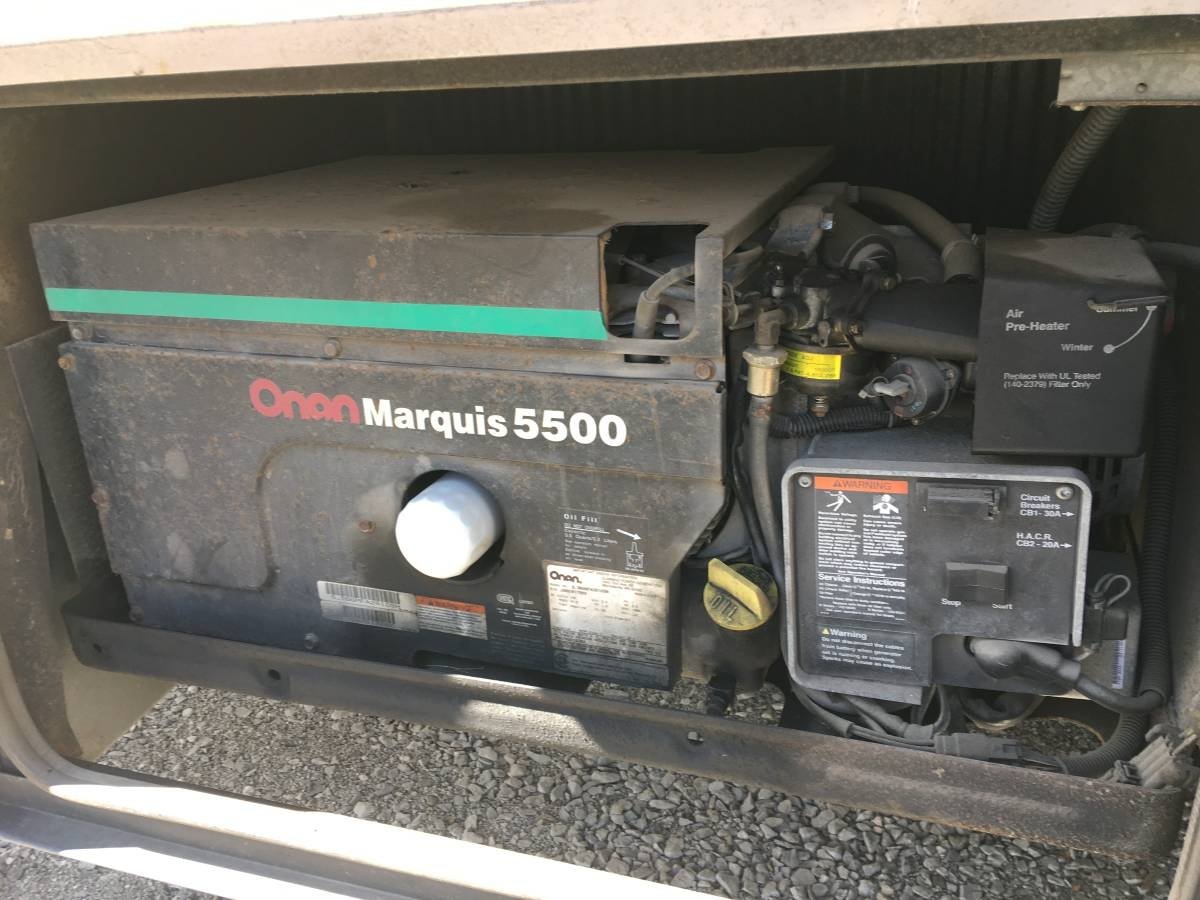
Reliable power is the lifeblood of any successful RV adventure, and for many, that power comes from a trusted Onan generator. But getting the most out of this essential piece of equipment—and ensuring it stays reliable for years to come—means understanding the nuances of Operating Your Onan RV Generator Safely & Efficiently. It's more than just flicking a switch; it's about smart habits, consistent care, and a clear understanding of its needs.
Think of your Onan as the quiet workhorse of your mobile home. Treat it right, and it will churn out the electricity you need for everything from morning coffee to air conditioning on a sweltering day. Neglect it, and you're not just risking a breakdown; you're inviting costly repairs, reduced fuel efficiency, and the kind of frustrations that can derail a perfect trip. This guide will walk you through everything you need to know, from the moment you consider starting it up to the long-term care that keeps it humming.
At a Glance: Key Takeaways for Your Onan
- Read Your Manual: This is your primary source for specific model information and safety guidelines.
- Prioritize Safety: Always operate in well-ventilated areas to avoid carbon monoxide, and never refuel when hot or running.
- Regular Maintenance is Non-Negotiable: Consistent oil changes, filter replacements, and spark arrestor cleaning prevent major issues.
- Fuel Matters: Use only the manufacturer's recommended fuel type and check levels before starting.
- Troubleshoot Smart: Start with the basics (fuel, battery, levels) before calling for professional help.
- Run It Regularly: Even when not on the road, "exercising" your generator keeps it healthy.
Why Your Onan Deserves Attention: Beyond Just "On" and "Off"
Your Onan RV generator isn't just a convenience; it's often the heart of your RV's off-grid capabilities. It powers your lights, appliances, air conditioning, and even charges your batteries. But like any complex piece of machinery, its performance and longevity hinge on proper care.
Ignoring the basics—like consistent maintenance and correct operational procedures—is a direct path to trouble. Debris can accumulate, fuel consumption can skyrocket, and you could face an untimely and expensive generator failure. On the flip side, a well-maintained Onan generator runs smoother, uses less fuel, lasts longer, and provides the peace of mind that comes with reliable power, no matter where your adventures take you.
Getting Ready: Your Pre-Flight Checklist Before Starting Up
Before you ever hit that start button, a few simple checks can prevent potential issues and ensure a smooth start-up. These steps are foundational to efficient and safe operation.
- Level Playing Field: Always park your RV on as level a surface as possible. This ensures proper fuel and oil circulation within the generator, preventing potential starvation or over-filling issues that can occur on extreme angles.
- Power Down: Turn off all major appliances and unnecessary electrical devices inside your RV. This crucial step prevents power surges or overloads when the generator first kicks in, protecting both your RV's electrical system and the generator itself. Think of it as giving your generator an easy start without immediately demanding full output.
- Consult the Oracle (Your Manual): Your Onan generator's owner's manual is an invaluable resource. Before you even think about starting, give it a quick review. It will have specific instructions for your model, including fuel types, start sequences, and any unique features.
- Fuel Check: This might sound obvious, but ensure your RV's main fuel tank (if your Onan draws from it) or the generator's dedicated fuel tank has sufficient fuel. Most RV generators are designed to shut off when the main tank drops to about ¼ full to ensure you always have enough fuel to drive to the nearest gas station. This small buffer is vital. You can learn more about different fuel types for RV generators to ensure you're always using the right kind.
Ignition! Starting Your Onan Generator
With your preparations complete, it's time to bring your Onan to life. The starting process is usually straightforward, but always defer to your specific generator's manual for the exact sequence.
- Locate the Switch: Most Onan generators have either a control panel directly on the generator itself, a remote start/stop switch inside the RV (often near the main electrical panel or by the entry door), or both.
- Follow the Manufacturer's Instructions: Typically, you'll press and hold the "Start" side of the switch. You might hear the generator prime for a few seconds before the engine engages and starts to run. If it doesn't start immediately, avoid continuously cranking it. Give it a moment to rest, then try again, following your manual's recommended cool-down periods between attempts.
- Listen and Observe: Once started, listen for any unusual noises and observe the exhaust. A steady hum and clean exhaust are good signs.
Fueling Your Journey: What to Know About Generator Fuel
The right fuel is critical for your Onan's health and performance. Using the incorrect type can lead to significant damage and drastically reduce efficiency.
- Manufacturer's Recommendation is Law: Always, without exception, use the fuel type recommended by Onan for your specific generator model. For most RV generators, this means gasoline or propane. Diesel generators will, of course, require diesel. Check your generator’s manual for the precise fuel type, capacity, and any specific guidelines on fuel additives or storage recommendations.
- The Dangers of Incorrect Fuel: Putting gasoline in a diesel generator, or vice-versa, will cause immediate and severe engine damage. Even using a lower octane than recommended can lead to knocking, reduced power, and long-term wear.
- Fuel Freshness: Fuel degrades over time. If your RV generator has been sitting idle for an extended period (months), it's wise to drain the old fuel and refill with fresh. Using a fuel stabilizer when storing your RV can help mitigate this issue. This simple step can prevent clogged fuel lines and carburetors, which are common culprits for starting issues.
The Heart of Longevity: Essential Onan Maintenance Practices
Consistent maintenance isn't just a suggestion; it's the bedrock of your Onan generator's reliability and lifespan. Neglect leads to breakdowns and costly repairs. Think of it as preventative medicine for your power source.
Always, always, always refer to your generator’s owner’s manual for specific instructions and recommended maintenance intervals. These are typically listed in hours of operation or calendar months, whichever comes first. For more in-depth planning, consider developing a consistent maintenance schedule to keep track of everything.
1. Oil and Oil Filter: The Lifeblood
The engine oil lubricates moving parts, reduces friction, and helps cool the engine. A dirty oil filter will restrict flow, putting stress on the engine.
- Why it Matters: Regular oil and oil filter changes are paramount for maintaining engine performance and preventing premature wear. Contaminated or degraded oil loses its lubricating properties, allowing metal-on-metal friction that grinds away at internal components.
- How to Do It:
- Ensure the generator is off and cool.
- Locate the oil drain plug and oil filter (consult your manual).
- Place a drain pan underneath.
- Remove the drain plug and allow all old oil to drain.
- Remove the old oil filter (a filter wrench can be helpful).
- Apply a thin film of new oil to the gasket of the new filter before screwing it on hand-tight.
- Replace the drain plug.
- Refill with the manufacturer-recommended oil type and quantity.
- Check the dipstick to ensure the correct level.
- Frequency: Typically every 50 to 100 hours of operation, or annually, but again, your manual is the definitive source.
2. Spark Arrestor: Keeping Fires at Bay
The spark arrestor prevents hot carbon particles from exiting the exhaust and potentially igniting nearby flammable materials.
- Why it Matters: A clogged spark arrestor can restrict exhaust flow, leading to reduced engine performance and increased back pressure. More importantly, it becomes less effective at its primary job, posing a fire hazard.
- How to Do It:
- Ensure the generator is off and cool.
- Locate the spark arrestor (usually a screen or small canister at the end of the muffler).
- Remove it (this may involve a few screws or clamps).
- Use a wire brush or compressed air to thoroughly clean out any accumulated carbon or debris.
- Inspect for damage and replace if necessary.
- Reinstall securely.
- Frequency: Typically every 100-200 hours or annually.
3. Air Filter: The Engine's Lungs
The air filter prevents dust, dirt, and debris from entering the engine and causing damage.
- Why it Matters: A dirty air filter restricts airflow, forcing the engine to work harder, reducing power, increasing fuel consumption, and potentially causing premature wear due to improper air/fuel mixture.
- How to Do It:
- Ensure the generator is off.
- Locate the air filter housing.
- Remove the old filter.
- Inspect the old filter for excessive dirt or damage. If it's merely dusty, sometimes gentle tapping can dislodge some debris, but replacement is usually best.
- Insert a new, clean air filter according to the manufacturer's instructions.
- Secure the housing.
- Frequency: Inspect regularly, replace according to manufacturer recommendations (e.g., every 100-200 hours, or more often in dusty conditions).
4. Fuel Filter: Pure Power
The fuel filter traps impurities from the fuel before they can reach the carburetor or fuel injectors.
- Why it Matters: A clogged fuel filter starves the engine of fuel, causing rough running, stalling, or preventing it from starting altogether. It's a critical component for maintaining consistent performance and preventing fuel system contamination.
- How to Do It:
- Ensure the generator is off and cool.
- Locate the fuel filter (often inline on the fuel line or within the fuel pump assembly).
- Have rags ready to catch any residual fuel.
- Carefully disconnect the fuel lines from the old filter.
- Install the new filter, ensuring the flow direction (if indicated) is correct.
- Reconnect fuel lines and check for leaks.
- Frequency: Replace as recommended in your manual, typically every 200-300 hours or every 1-2 years.
5. Coolant (for liquid-cooled models): Keeping its Cool
Liquid-cooled generators use coolant to regulate engine temperature, preventing overheating.
- Why it Matters: Old or low coolant can lead to engine overheating, which can cause severe damage, including warped cylinder heads or blown gaskets. Flushing and changing the coolant at recommended intervals maintains its anti-corrosive properties and ensures optimal heat transfer.
- How to Do It:
- Ensure the generator is completely off and cool.
- Locate the radiator drain plug and coolant reservoir.
- Place a suitable container to collect the old coolant.
- Drain the old coolant, then flush the system with distilled water (follow manual for specific flushing procedures).
- Refill with the manufacturer-recommended coolant type and mixture.
- Bleed any air from the system as per the manual.
- Frequency: Flush and change the coolant at recommended intervals, usually every 2-3 years.
When Things Go Quiet: Troubleshooting Common Onan Generator Issues
Even with the best maintenance, generators can occasionally act up. Before panicking, follow a systematic troubleshooting approach. Always refer to the manufacturer’s troubleshooting guidelines specific to your generator model first, as they contain diagrams and specific fault codes.
- The Manual is Your Map: Seriously, start here. It often has a troubleshooting section that addresses common issues specific to your model.
- Battery Check: A weak battery is a frequent culprit for starting problems.
- What to do: Ensure your RV's house battery (which often starts the generator) is fully charged and in good condition with sufficient voltage (typically 12.6V or higher). A weak battery simply can't provide the necessary cranking amps.
- Spark Plugs: These are vital for ignition.
- What to do: Remove and inspect the spark plugs. Look for damage, excessive carbon buildup, or a wet appearance (indicating fuel fouling). Clean them with a wire brush or replace them if necessary. Ensure the gap is set correctly according to your manual.
- Fuel System: The most common source of generator issues.
- What to do:
- Adequate Fuel Supply: Is there enough fuel in the tank? Remember the 1/4 tank rule if your generator draws from the RV's main tank.
- Fuel Lines: Inspect fuel lines for visible blockages, kinks, or leaks. A cracked fuel line can allow air into the system or prevent fuel delivery.
- Old Fuel: If the generator has been idle for an extended period, old, stale fuel can clog lines and carburetors. Draining old fuel and refilling with fresh can often resolve this.
- Fuel Pump: Listen for the fuel pump priming sound when attempting to start. If you hear nothing, it might be faulty.
- Control Board: The brains of the operation.
- What to do: Inspect the control board for any visible damage, burnt components, or loose/corroded connections. While not typically a DIY repair for most, identifying a visibly damaged board can point you towards professional help. Malfunctions here can cause a wide range of operational issues, from no-starts to erratic running.
- Oil and Fuel Levels (Again): Basic but crucial.
- What to do: Re-check both oil and fuel levels. Low oil can trigger a low-oil shutdown sensor, preventing the generator from starting or causing it to stop unexpectedly. Running out of fuel is, of course, a direct cause of generator failure.
If these basic steps don't resolve the issue, it might be time to consult a qualified RV technician or consider more in-depth diagnostics, potentially involving troubleshooting your RV's entire electrical system.
Your Unnegotiable Priority: Onan Generator Safety Protocols
Operating an RV generator involves inherent risks, primarily related to carbon monoxide poisoning, fire, and electrical shock. These precautions are non-negotiable.
- Read the Manual (Yes, Again): Seriously, every Onan model has specific features, controls, and safety guidelines. Know yours inside and out.
- Proper Ventilation is Paramount: This cannot be stressed enough. Operate the generator ONLY in a well-ventilated area. Never, ever run your generator indoors, inside the RV, in a garage, or in any enclosed space. Carbon monoxide (CO) is an odorless, colorless, and deadly gas. Position your RV so exhaust fumes dissipate safely away from windows, doors, and neighboring RVs. Always have working carbon monoxide detectors inside your RV.
- Keep Your Distance from Flammables: Ensure a safe distance between your running generator and any flammable materials, such as gasoline cans, propane tanks, dry grass, or other combustible items. Heat and sparks are always a risk.
- Grounding for Safety: Ensure your generator is properly grounded according to manufacturer instructions. This protects against electrical shock in the event of a fault. While many RV generators are "bonded neutral" and designed to be safe within the RV's electrical system, external grounding might be required in certain situations or setups (check your manual).
- Refueling Safety (Cool Down First!):
- Always turn off the generator and allow it to cool down completely before attempting to refuel.
- Never refuel while the generator is running or hot; spilled fuel can ignite instantly.
- Use approved, clean fuel containers. Avoid overfilling.
- Protection from the Elements: While many RV generators are designed for outdoor use, extreme weather can still be an issue. Protect your generator from heavy rain, snow, or direct sun using appropriate covers or enclosures that do not restrict airflow or exhaust venting. Water and electricity are a dangerous mix.
- Maintenance and Inspection: Regularly inspect the generator for any signs of wear, damage, loose wires, or fuel leaks. Address any issues promptly. A well-maintained generator is a safer generator.
- Generator Shut-off: Always turn off the generator completely before performing any maintenance, inspections, or repairs. Disconnect the spark plug wire to prevent accidental starting if performing engine work.
Myth Busting & FAQs: Clearing Up Common Onan Questions
Let's address some common questions and misconceptions about Onan RV generators.
Q: How often should I "exercise" my Onan generator?
A: Onan and other manufacturers recommend exercising your generator at least once a month for at least two hours under at least a 50% load. This means turning on appliances like your AC, microwave, or hair dryer while it runs. This practice helps keep internal parts lubricated, prevents fuel system components from gumming up, and removes moisture from the windings.
Q: My generator runs, but there's no power in the RV. What's wrong?
A: First, check the circuit breakers on the generator itself. Many Onan units have a main breaker. If that's tripped, reset it. Also, check your RV's main shore power breaker and individual circuit breakers inside the RV. Sometimes a transfer switch (if your RV has one) can malfunction, preventing generator power from reaching the internal circuits.
Q: Is it okay to run my Onan all night?
A: In a safe, well-ventilated area, yes, an Onan generator is designed for extended use. However, always be mindful of noise regulations in campgrounds or boondocking areas. Ensure your carbon monoxide detectors are functioning correctly and that exhaust fumes are directed safely away from your RV and any neighbors.
Q: Can I use ethanol-free gas in my Onan?
A: While your manual will specify the octane and minimum ethanol content (if any) it can handle, many generator owners prefer ethanol-free gasoline if available. Ethanol can attract water, leading to fuel system corrosion and gumming, especially during storage. If you must use ethanol-blended fuel, using a high-quality fuel stabilizer can help.
Q: Why does my generator surge or run rough?
A: This often points to a fuel delivery issue. A clogged fuel filter, stale fuel, a dirty carburetor, or an issue with the fuel pump are common culprits. A dirty air filter can also contribute. Start by checking the air and fuel filters and ensuring fresh fuel.
Beyond the Basics: Maximizing Your Onan's Potential
Beyond the essential maintenance and safety protocols, a few habits can further enhance your Onan's performance and significantly increase its operational lifespan. Regularly running it under load, as mentioned, is crucial. Also, consider the environment you operate it in. Avoiding extremely dusty or wet conditions whenever possible will reduce the strain on filters and internal components. Proactive care, rather than reactive repairs, is always the most cost-effective approach for maximizing your generator's lifespan.
The Road Ahead: Empowering Your RV Adventures
Your Onan RV generator is an investment in freedom and convenience. By embracing safe operating practices, adhering to a diligent maintenance schedule, and understanding basic troubleshooting, you're not just ensuring reliable power; you're safeguarding your adventures and maximizing the return on that investment. Don't let power concerns hold you back from exploring the open road. With this guide in hand and your owner's manual by your side, you're well-equipped to keep your Onan generator purring along for countless miles to come. For an even deeper dive into everything there is to know, check out our comprehensive resource on All about Onan RV generators.